Bakuchiol: The Natural Retinol Alternative for Smoother Skin
-
 Grandma Ruth
 - 23 Apr, 2026
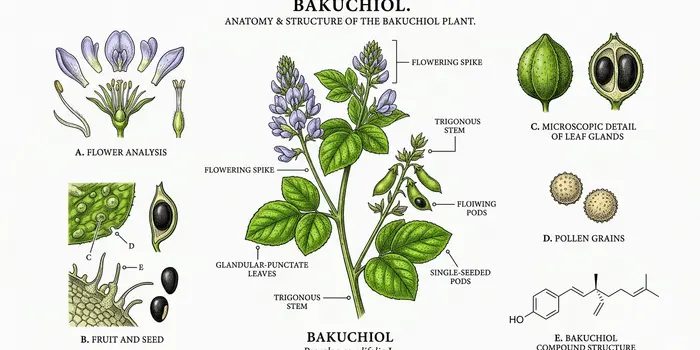
If you have been looking for a gentler way to support your skin as it ages, Bakuchiol might be exactly what your routine needs. This plant-based ingredient has been gaining serious attention in natural skincare circles as a kinder, more skin-friendly alternative to retinol — and for good reason.
What Is Bakuchiol?
Bakuchiol is a naturally occurring compound extracted from the seeds and leaves of the Psoralea corylifolia plant, also known as babchi. The plant has deep roots in Ayurvedic and traditional Chinese medicine, where it has been used for centuries to support skin health. In modern skincare, Bakuchiol has found its place as a standout ingredient in serums, oils, and moisturizers designed to smooth, firm, and brighten the complexion.
Unlike synthetic skincare actives, Bakuchiol is 100% plant-derived, which makes it a natural fit for wellness and natural remedy-focused routines. It works by influencing the same skin pathways associated with cell turnover and collagen support — without the harsh side effects that often come with conventional retinol.
Bakuchiol Benefits for Skin
Bakuchiol offers a range of skincare benefits that make it appealing for many skin types and ages:
- Supports collagen production, which helps improve firmness and reduce the appearance of fine lines and wrinkles
- Promotes cell turnover for a smoother, more even skin texture over time
- Helps fade hyperpigmentation and uneven skin tone, including dark spots and sun damage
- Antioxidant and anti-inflammatory properties help protect the skin and calm redness or irritation
- Suitable for sensitive skin — unlike retinol, Bakuchiol is generally well-tolerated without causing peeling, dryness, or sun sensitivity
- Can be used during pregnancy by those avoiding conventional retinoids (always consult a doctor first)
These benefits explain why Bakuchiol has become a go-to ingredient for anyone wanting visible anti-aging results without the irritation often associated with retinol.
Bakuchiol vs Retinol
The Bakuchiol vs retinol conversation is one of the most common in natural skincare today. Here is how they compare:
| Feature | Bakuchiol | Retinol |
|---|---|---|
| Source | Plant-derived (babchi) | Synthetic / Vitamin A derivative |
| Skin sensitivity | Very well tolerated | Can cause redness, peeling, dryness |
| Sun sensitivity | None known | Increases photosensitivity |
| Use during pregnancy | Generally considered safer | Not recommended |
| Best for | Sensitive, dry, or reactive skin | Oily or resilient skin types |
| Results timeline | Gradual, gentle improvement | Faster but harsher |
Both ingredients work to support cell renewal and reduce signs of aging, but Bakuchiol does it without the downsides that make retinol difficult for many people to tolerate. For a Natural Remedies audience, Bakuchiol is the clear winner — it is effective, gentle, and fully plant-based.
Bakuchiol Serum: How to Use It
A Bakuchiol serum is one of the most popular ways to add this ingredient to your routine. Serums deliver the active in a concentrated, fast-absorbing form that works well under moisturizer or facial oil.
How to use a Bakuchiol serum:
- Cleanse and tone your face as usual
- Apply 3–4 drops of Bakuchiol serum to your fingertips
- Press gently into the skin — cheeks, forehead, chin, and neck
- Follow with your moisturizer or facial oil to seal in hydration
- Use morning and/or evening — unlike retinol, Bakuchiol does not require nighttime-only use
Because Bakuchiol is gentle, it can be layered with other natural actives like Marula Oil, rosehip oil, or hyaluronic acid for a fuller routine.
Bakuchiol Oil: A Richer Option
For those who prefer a nourishing texture, Bakuchiol oil combines the active ingredient with a carrier oil base — often rosehip, squalane, or jojoba — to create a rich, skin-softening formula. Bakuchiol oil works especially well for dry or mature skin types that need extra moisture alongside their anti-aging support.
Apply a few drops to clean skin at night, or mix into your favorite moisturizer to boost its effectiveness. The oil format is particularly useful in colder climates or during winter months when skin needs deeper nourishment.
Who Should Use Bakuchiol?
Bakuchiol is a versatile ingredient that works for most skin types:
- Sensitive skin — gentle enough for reactive and rosacea-prone skin
- Dry or mature skin — supports firmness and moisture retention
- Hyperpigmentation concerns — helps brighten and even out skin tone
- Anyone avoiding retinol — whether due to pregnancy, sensitivity, or personal preference
The only people who should proceed with extra caution are those with known allergies to babchi plant extracts. As with any new ingredient, a patch test before full application is always a smart first step.
FAQ
What is Bakuchiol and where does it come from?
Bakuchiol is a plant-based active ingredient extracted from the seeds and leaves of the Psoralea corylifolia (babchi) plant. It has been used for centuries in Ayurvedic and traditional Chinese medicine, and is now widely used in modern natural skincare as a gentle alternative to retinol.
Can I use Bakuchiol every day?
Yes. Unlike retinol, Bakuchiol is gentle enough for daily use, both morning and evening. It does not increase photosensitivity, so it can safely be used in a morning routine followed by sunscreen.
Is Bakuchiol serum suitable for sensitive skin?
Bakuchiol is one of the most skin-friendly anti-aging ingredients available. It is generally well-tolerated by sensitive, dry, and reactive skin types, including rosacea-prone skin. A patch test before first use is always recommended.
What is the difference between Bakuchiol serum and Bakuchiol oil?
A Bakuchiol serum is lightweight and fast-absorbing — ideal for layering under moisturizer or oil. A Bakuchiol oil has a richer texture, often blended with nourishing carrier oils like rosehip or squalane, and works especially well for dry or mature skin that needs extra nourishment alongside anti-aging support.