Showing Posts From
Natural remedies

-
 Grandma Ruth
 - 23 Apr, 2026
Azelaic Acid: Benefits, Uses, and Why Your Skin Will Love It
If your skin struggles with uneven tone, persistent redness, or stubborn blemishes, Azelaic Acid might be the ingredient your routine has been missing. Gentle enough for sensitive skin yet effective enough to tackle real concerns, this naturally occurring acid has earned its place as one of the most versatile actives in natural skincare.What Is Azelaic Acid? Azelaic Acid is a naturally occurring dicarboxylic acid found in grains like wheat, barley, and rye. It is also produced naturally by yeast that lives on healthy skin, which is part of why it tends to be so well tolerated. In skincare, it is used as an active ingredient in concentrations typically ranging from 10% to 20%, available in the form of gels, creams, and serums. What sets Azelaic Acid apart from many other skincare acids is its wide range of targeted benefits — it works on acne, hyperpigmentation, and redness all at once, making it a rare multi-tasking ingredient that suits a broad range of skin concerns.Azelaic Acid Benefits Azelaic Acid delivers several well-documented skin benefits that make it a strong choice for a natural skincare routine:Brightens uneven skin tone by inhibiting melanin production, which helps fade dark spots, post-acne marks, and sun damage over time Calms redness and inflammation, making it particularly effective for rosacea-prone and reactive skin types Fights acne-causing bacteria thanks to its antimicrobial properties, helping to clear breakouts and prevent new ones Refines skin texture by promoting gentle cell turnover, leaving skin smoother and more even Antioxidant properties help protect skin cells from free-radical damage linked to environmental stress Non-photosensitizing — unlike many other acids and retinoids, Azelaic Acid does not increase sun sensitivity, so it can be used morning or evening Safe for use during pregnancy — one of the very few active skincare ingredients considered suitable for pregnant women (always consult your doctor first)These Azelaic Acid benefits make it one of the most accessible and inclusive skincare actives available, particularly for people who find stronger ingredients too harsh.Azelaic Acid Gel: The Most Popular Format Azelaic Acid gel is the most commonly used form of this ingredient in skincare routines. The gel texture is lightweight, absorbs quickly, and distributes the active evenly across the skin — making it ideal for targeting specific areas like the cheeks, chin, and nose where redness or breakouts tend to appear. How to use Azelaic Acid gel:Cleanse and gently pat your face dry Apply a thin, even layer of Azelaic Acid gel to the affected areas or all over the face Allow it to absorb fully before applying moisturizer Follow with SPF in the morning Start with once-daily use and increase to twice daily as your skin adjustsAzelaic Acid gel can be used alongside hydrating ingredients like hyaluronic acid and nourishing oils such as Marula Oil or Bakuchiol for a complete natural skincare routine.Who Should Use Azelaic Acid? Azelaic Acid is one of the most universally suitable skincare actives because it works across many different skin types and concerns:Acne-prone skin — reduces bacteria, unclogs pores, and fades post-acne marks Rosacea-prone skin — clinically recognized as an effective option for managing redness and flushing Hyperpigmentation — brightens dark spots and melasma with consistent use Sensitive skin — gentler than most acids, well tolerated even by reactive skin Pregnant women — considered one of the safer active ingredients (consult your doctor)The only caution is for people with known allergies to grain-derived ingredients, and as with any new active, a patch test before full use is always wise.How Long Does Azelaic Acid Take to Work? Azelaic Acid is a gradual-results ingredient. Most people begin to see improvements in skin tone, texture, and redness after 4 to 8 weeks of consistent use. For deeper hyperpigmentation or persistent rosacea, visible results may take up to 12 weeks. Patience is key with Azelaic Acid — it works steadily and gently rather than dramatically overnight. The upside is that those results tend to be lasting, especially when combined with daily SPF and a consistent routine.
- Grandma Ruth
- 23 Apr, 2026
Bakuchiol: The Natural Retinol Alternative for Smoother Skin
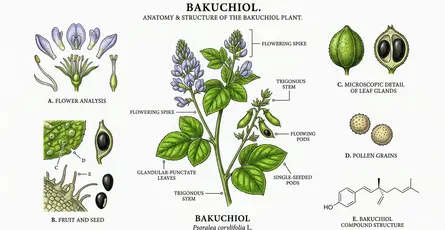
If you have been looking for a gentler way to support your skin as it ages, Bakuchiol might be exactly what your routine needs. This plant-based ingredient has been gaining serious attention in natural skincare circles as a kinder, more skin-friendly alternative to retinol — and for good reason.What Is Bakuchiol? Bakuchiol is a naturally occurring compound extracted from the seeds and leaves of the Psoralea corylifolia plant, also known as babchi. The plant has deep roots in Ayurvedic and traditional Chinese medicine, where it has been used for centuries to support skin health. In modern skincare, Bakuchiol has found its place as a standout ingredient in serums, oils, and moisturizers designed to smooth, firm, and brighten the complexion. Unlike synthetic skincare actives, Bakuchiol is 100% plant-derived, which makes it a natural fit for wellness and natural remedy-focused routines. It works by influencing the same skin pathways associated with cell turnover and collagen support — without the harsh side effects that often come with conventional retinol.Bakuchiol Benefits for Skin Bakuchiol offers a range of skincare benefits that make it appealing for many skin types and ages:Supports collagen production, which helps improve firmness and reduce the appearance of fine lines and wrinkles Promotes cell turnover for a smoother, more even skin texture over time Helps fade hyperpigmentation and uneven skin tone, including dark spots and sun damage Antioxidant and anti-inflammatory properties help protect the skin and calm redness or irritation Suitable for sensitive skin — unlike retinol, Bakuchiol is generally well-tolerated without causing peeling, dryness, or sun sensitivity Can be used during pregnancy by those avoiding conventional retinoids (always consult a doctor first)These benefits explain why Bakuchiol has become a go-to ingredient for anyone wanting visible anti-aging results without the irritation often associated with retinol.Bakuchiol vs Retinol The Bakuchiol vs retinol conversation is one of the most common in natural skincare today. Here is how they compare:Feature Bakuchiol RetinolSource Plant-derived (babchi) Synthetic / Vitamin A derivativeSkin sensitivity Very well tolerated Can cause redness, peeling, drynessSun sensitivity None known Increases photosensitivityUse during pregnancy Generally considered safer Not recommendedBest for Sensitive, dry, or reactive skin Oily or resilient skin typesResults timeline Gradual, gentle improvement Faster but harsherBoth ingredients work to support cell renewal and reduce signs of aging, but Bakuchiol does it without the downsides that make retinol difficult for many people to tolerate. For a Natural Remedies audience, Bakuchiol is the clear winner — it is effective, gentle, and fully plant-based.Bakuchiol Serum: How to Use It A Bakuchiol serum is one of the most popular ways to add this ingredient to your routine. Serums deliver the active in a concentrated, fast-absorbing form that works well under moisturizer or facial oil. How to use a Bakuchiol serum:Cleanse and tone your face as usual Apply 3–4 drops of Bakuchiol serum to your fingertips Press gently into the skin — cheeks, forehead, chin, and neck Follow with your moisturizer or facial oil to seal in hydration Use morning and/or evening — unlike retinol, Bakuchiol does not require nighttime-only useBecause Bakuchiol is gentle, it can be layered with other natural actives like Marula Oil, rosehip oil, or hyaluronic acid for a fuller routine.Bakuchiol Oil: A Richer Option For those who prefer a nourishing texture, Bakuchiol oil combines the active ingredient with a carrier oil base — often rosehip, squalane, or jojoba — to create a rich, skin-softening formula. Bakuchiol oil works especially well for dry or mature skin types that need extra moisture alongside their anti-aging support. Apply a few drops to clean skin at night, or mix into your favorite moisturizer to boost its effectiveness. The oil format is particularly useful in colder climates or during winter months when skin needs deeper nourishment.Who Should Use Bakuchiol? Bakuchiol is a versatile ingredient that works for most skin types:Sensitive skin — gentle enough for reactive and rosacea-prone skin Dry or mature skin — supports firmness and moisture retention Hyperpigmentation concerns — helps brighten and even out skin tone Anyone avoiding retinol — whether due to pregnancy, sensitivity, or personal preferenceThe only people who should proceed with extra caution are those with known allergies to babchi plant extracts. As with any new ingredient, a patch test before full application is always a smart first step.
- Grandma Ruth
- 23 Apr, 2026
Marula Oil for Face: Benefits, Uses, and Natural Skincare Tips
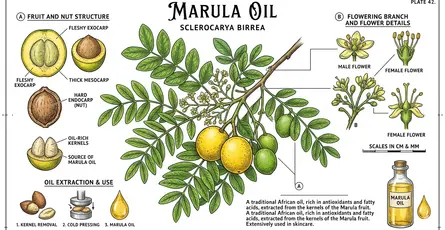
Marula Oil has become a popular ingredient in skincare because it is lightweight, absorbs easily, and helps moisturize the skin without leaving a heavy or greasy feel. It is also rich in fatty acids, amino acids such as L-arginine and glutamic acid, and antioxidants including vitamins E and C, which is why it is often featured in facial oils, serums, and moisturizers. For anyone building a natural skincare routine, Marula Oil is appealing because it combines comfort and simplicity. A few drops can fit easily into a daily ritual, especially for people who want hydration, softness, and a healthy-looking glow without using a heavy cream. What Is Marula Oil? Marula Oil is a plant oil commonly used in beauty products for the skin, hair, and nails. In facial care, it is especially valued for its smooth texture and its ability to sit lightly on the skin while still helping reduce dryness. One reason Marula Oil stands out is its composition. Its fatty acids help soften and moisturize the skin, while antioxidants help defend against free-radical damage linked to environmental stressors such as UV exposure and pollution. Some sources also note that the amino acids in the oil support hydration and contribute to its anti-aging reputation in skincare. Marula Oil benefits When people search for Marula Oil benefits, they are usually looking for one ingredient that can do several jobs at once. Based on published skincare references, the main benefits are practical and easy to understand:It helps add moisture to the skin and supports a softer, smoother feel. It is lightweight and non-greasy, which makes it appealing to people who do not enjoy heavier facial oils. It contains antioxidants such as vitamins E and C that help protect the skin from free-radical damage. It may help reduce transepidermal water loss, which supports the skin barrier and helps skin hold onto moisture. It is often used for dry or aging skin because it can help soften the look of fine lines and improve overall comfort. It can also work for oily or acne-prone routines because it is non-greasy, and some sources mention antimicrobial properties that may be relevant for blemish-prone skin.These Marula Oil benefits make the ingredient easy to position in a Natural Remedies article because the message is clear: it supports hydration, comfort, and a balanced skincare routine without feeling overly complicated. Why a Marula facial Oil works well in daily skincare A Marula facial Oil is often chosen by people who want nourishment without heaviness. Because the oil absorbs well, it can be used on its own or layered with other products, including moisturizers and masks. This flexibility is one reason the ingredient works well in both simple and more complete skincare routines. Some sources also note that it can be applied before makeup because it sinks into the skin well rather than sitting on top in a thick layer. For readers interested in natural beauty, that combination of light texture and moisture is a strong selling point. Instead of feeling oily, the skin often feels more comfortable, more supple, and better protected from dryness. How to use Marula Oil for face If you want to explain how to use Marula Oil for face, the best approach is to keep it simple. After cleansing, apply a few drops to clean hands and gently press or massage the oil onto the face and neck. Published skincare guidance commonly suggests using about 2 to 3 drops. Marula Oil can be used in the morning or in the evening, and morning use should be followed with sunscreen. Some people also add a few drops to a moisturizer, cleanser, or face mask for an extra boost of hydration. When using Marula Oil for face, it is important to avoid getting the oil into the eyes because it may cause irritation. That small precaution is worth mentioning in a wellness article because it keeps the advice practical and responsible. Choosing the right Marula Oil Not every facial oil is the same, so product quality matters. Sources discussing application and product selection often recommend looking for cold-pressed, pure Marula Oil when possible.That recommendation fits well with the Natural Remedies audience because readers usually prefer ingredients that feel straightforward and minimally processed. Cold-pressed Marula Oil is often highlighted as a preferred choice when people want to preserve the oil’s natural properties in their skincare routine.